How OPS technology leads to the Green Ports model
Share:
Maritime transport is currently facing one of its biggest challenges: its decarbonization. When a ship arrives at a port, it can have a very high negative impact on the environment and health. To solve this problem, the electrification of docks is being carried out through OPS (Onshore Power Supply) technology, a fundamental solution to continue navigating towards the Green Ports model.
The problem to solve
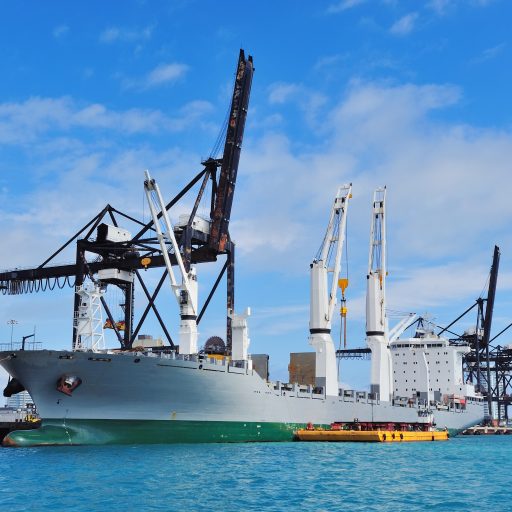
To better understand this system, it’s important to understand what a vessel traditionally did upon arrival at the port. When a ship docks to perform various loading and unloading operation, it must continue to operate. To keep its lighting, refrigeration or other services active, auxiliary combustion engines were used.
The problem is that these burn heavy fuels uninterruptedly, which brings with it a triple negative impact:
- Problems for the environment. Combustions emit large volumes of greenhouse gases such as carbon dioxide, nitrogen and sulfur oxides that damage the environment.
- Health effects. Furthermore, the compounds emitted by these engines not only harm the environment but also people’s health.
- Noise pollution. These engines generate constant noise and vibrations that increase acoustic contamination.
The solution: OPS technology
To solve this problem, OPS technology emerged as the main solution, as reported by the Journal of the Ministry of Transport and Sustainable Mobility. Also known as Cold Ironing or Alternative Maritime Power (AMP), it consists of connecting vessels directly to the onshore electricity grid while they are moored at the port. This technology reduces harmful emissions. Furthermore, it delocalizes them, moving them away from the ports and surrounding cities, and therefore, away from people.
Although it originated more than 30 years ago, it’s now begun to be used in several ports as a clear commitment to navigate towards the consolidation of Green Ports. In fact, as part of this quest for decarbonization of maritime transport, in Europe, the FuelEU Maritime Regulation obligates the main EU ports to have operational OPS infrastructure by 2030.
This technology electrifies ports, offering a safe and stable electrical connection to vessels while they are stopped at the dock. With this, it ends the three problems we mentioned earlier: it eliminates noise, vibrations, and harmful emissions.
The Port of Huelva is advancing in the deployment of its own OPS infrastructure at the South Dock, joining an important global trend oriented towards sustainability and the decarbonization of maritime transport. In this way, the Port of Huelva is advancing in the transformation of the energy management of the port environment.
If you want to know more projects that promote the sustainability and decarbonization of maritime transport, take a look at La Lonja de la Innovación ecosystem. And if you would like to be part of it, register for our programs.